
The Trump administration is preparing to issue a new sanctions waiver allowing buyers to purchase Russian crude oil and petroleum products already loaded onto tankers, according to people familiar with the matter cited by Bloomberg. The move follows the quiet lapse of the previous general license on May 16 and comes as the US-Israel conflict with Iran tightens global oil supplies through disruptions around the Strait of Hormuz.
This anticipated waiver, to be issued by the Treasury Department’s Office of Foreign Assets Control (OFAC), mirrors earlier short-term measures in March and April 2026. Those authorizations permitted transactions involving Russian oil cargoes already at sea, helping stabilize markets during periods of heightened volatility.
Why Now? Iran War Supply Crunch
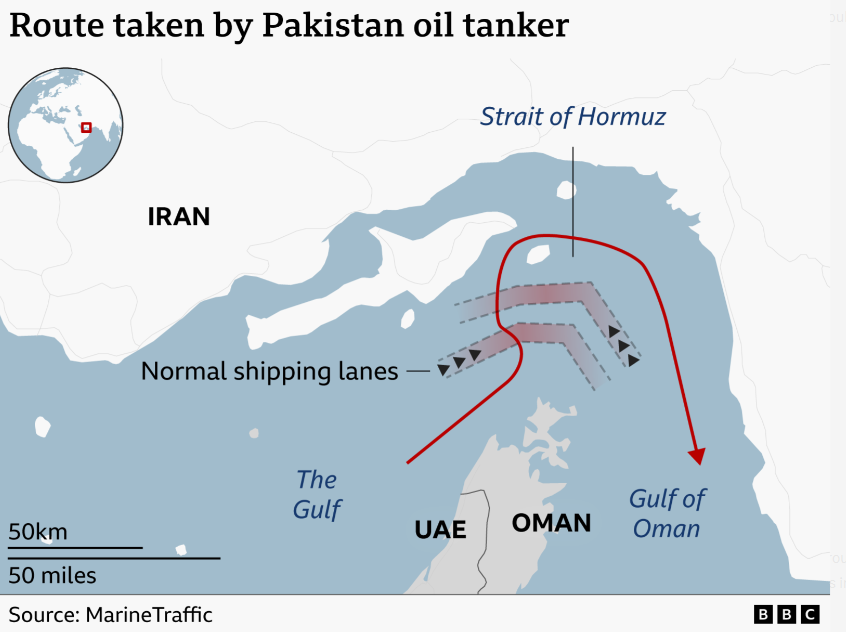
The Iran conflict has created significant supply uncertainty. Threats and disruptions to the Strait of Hormuz — through which roughly one-fifth of global oil trade passes — have reduced Middle East exports and driven concerns over higher fuel costs. Asian nations, in particular, have faced acute pressure and lobbied Washington for relief.
The previous waivers were explicitly framed as narrow, time-limited tools to inject additional barrels into the market without broadly undermining sanctions on Russia over its war in Ukraine. A new waiver would serve the same purpose: bridging supply gaps while the Iran situation remains fluid.
Scale of Potential Impact: Tankers and Volumes
Previous waivers provide a clear template for what a new authorization could unlock:Volumes: Russian presidential envoy Kirill Dmitriev stated that each waiver round could affect around 100 million barrels. One earlier waiver was linked to roughly 140 million barrels reaching markets in some reports.
Tankers: Ukrainian President Volodymyr Zelenskyy referenced more than 110 tankers carrying over 12 million tonnes of crude (approximately 85–90 million barrels) that benefited from prior relief.
Current Context: A significant portion of Russian seaborne exports moves via the “shadow fleet” — aging tankers often operating under opaque ownership and insurance arrangements. Estimates place hundreds of such vessels in active service for Russian crude and products.
A new waiver would primarily cover cargoes already loaded and at sea (or recently loaded), preventing them from becoming stranded and allowing buyers to take delivery without immediate secondary sanctions risk. This is not a blanket lifting of sanctions but a targeted, temporary carve-out similar to prior rounds.
Who Stands to Benefit: Key Customers and Refineries
India has been the clearest beneficiary of previous waivers and is actively pushing for continued access. Indian refiners front-loaded purchases ahead of the May 16 expiry, with Russian crude imports hitting record levels:
Peaked near 2.3 million barrels per day (bpd) in early May.
Averaged around 1.9–2.25 million bpd in recent months — making Russia the dominant supplier (sometimes ~40%+ of India’s crude imports).
Major Indian refineries and buyers include:
Reliance Industries (Jamnagar refinery — one of the world’s largest).
Indian Oil Corporation (IOC).
Bharat Petroleum (BPCL) and Hindustan Petroleum (HPCL).
These facilities are well-configured for Russian grades like Urals and have used the waivers to secure discounted barrels while Middle East supplies tightened.
China remains a major buyer of Russian crude, often through shadow fleet arrangements, and would likely see indirect benefits from any market stabilization. Other Asian buyers (e.g., Indonesia, South Korea) facing similar supply pressures from Hormuz disruptions could also gain access.
European and US buyers are far less likely to participate significantly due to broader sanctions policies and diversification efforts.
Market and Geopolitical Implications
Releasing additional Russian barrels into the market during a supply crunch helps:
Ease pressure on global oil prices upward.
Provide commercial relief to major Asian importers.
Prevent sharper spikes in fuel costs that could ripple through economies.
However, the policy draws criticism. Ukrainian officials argue it funnels revenue to Moscow’s war effort. Some US lawmakers from both parties have questioned easing pressure on Russia while the Ukraine conflict continues. The administration has framed prior waivers as pragmatic, short-term stability measures requested by vulnerable allies.
India has signaled it will continue purchasing Russian oil based on commercial and energy-security needs, regardless, though the waiver reduces legal and financial risks for its refiners and traders.
Outlook
Given the pattern seen in April — when initial signals against renewal were followed by a new 30-day authorization — analysts expect the coming waiver to be similarly time-limited (likely 30 days or with renewal provisions) and narrowly tailored to cargoes already loaded. Its exact scope and duration will depend on how the Iran situation evolves and the degree of market tightness.
For now, the signal is clear: Washington is willing to use targeted sanctions relief on Russian oil as a pressure-release valve while the broader Iran conflict keeps global energy markets on edge.
Appendix: Sources & Links
- Bloomberg: “US Plans New Russian Oil Waiver as Iran War Crunches Supplies” (May 18, 2026) — https://www.bloomberg.com/news/articles/2026-05-18/us-plans-new-russian-oil-waiver-as-iran-war-crunches-supplies
- Bloomberg: “India Asks US for Russian Waiver Extension as Iran War Drags On” (May 14, 2026)
- Reuters: “US Treasury allows sanctions waiver on Russian seaborne oil to lapse” (May 16, 2026)
- Reuters and other reporting on April waiver extension and volumes (various April 2026 articles)
- Kpler shipping data referenced in Bloomberg/Reuters coverage on Indian imports
- OFAC General Licenses (prior issuances referenced in reporting)
- Ukrainian statements and Dmitriev comments via international media
This article is based on publicly reported information as of May 18, 2026. Developments in sanctions policy and the Iran conflict can evolve rapidly. For the latest energy market analysis, follow Energy News Beat Channel.
The post US Plans New Russian Oil Waiver as Iran War Crunches Supplies appeared first on Energy News Beat.