

Brazil’s Bold Bet on Fossil Fuels
By 2050, the company could extract over 18 billion barrels of oil, with investments totaling $230 billion in new fossil fuel projects.
This surge isn’t just about energy independence; it’s a calculated wager that global demand for oil will persist, even as temperatures rise.
The emissions from Petrobras’ products could reach nearly 8 billion tonnes of CO2 by 2050, rivaling the combined annual output of the US and EU.
As Brazil prepares to host COP30, this expansion casts a shadow over its credibility as a climate champion. President Lula da Silva has defended the move, insisting oil production is compatible with international warming limits, but the numbers tell a different story.
Brazil wants to alleviate poverty at home while leading on the environment globally—but can it have both?
This isn’t mere speculation. Brazil’s actions are a direct bet against net zero, prioritizing fossil fuel revenues over emission reductions. And who’s helping bankroll it? Enter California.
California’s Net Zero Nightmare: Self-Inflicted Economic Wounds
As an “energy island” isolated by geography, the state struggles with supply vulnerabilities, unable to ramp up production due to stringent regulations like the California Environmental Quality Act and CARB requirements.
Electricity prices are the nation’s highest in the continental US. These costs exacerbate social issues: the state has over 187,000 homeless residents, the highest in the country, including vulnerable groups like veterans and seniors.
Job losses from refinery shutdowns and reduced oil production compound the pain, while policies promoting electric vehicles (EVs) erode fuel tax revenues—projected at $8.8 billion annually for roads and environmental programs.
Renewables like wind and solar can’t fill the gap for transportation fuels, leaving demand for gasoline, diesel, and jet fuel unmet domestically.
The Hypocrisy: Funding Brazil’s Oil Boom While Shunning Its Own
At an average Brent price of $81 per barrel, that’s over $5.3 billion funneled to Brazil, money that could have stayed local to bolster jobs and infrastructure.
Brazil ranks as California’s second-largest foreign supplier, just behind Iraq (21.3%), and imports from Brazil have surged from 23.9 million barrels in 2021.
Why outsource to a country actively undermining net zero? California’s leaders preach climate purity but rely on dirtier foreign oil, effectively exporting emissions and economic benefits. This dependency not only weakens energy security but also subsidizes Petrobras’ expansion, which could derail COP30 goals.
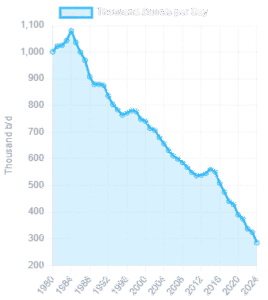
It’s a classic case of virtue signaling at home while enabling the opposite abroad. The following graphic illustrates the decline in oil production in California.
Time to Unleash California’s Energy Potential
Is Oil & Gas Right for Your Portfolio?
Crude Oil, LNG, Jet Fuel price quote
ENB Top News
ENB
Energy Dashboard
ENB Podcast
ENB Substack
The post Brazil Bets Against Net Zero. Yet California Doubles Down on Brazilian Crude Oil appeared first on Energy News Beat.